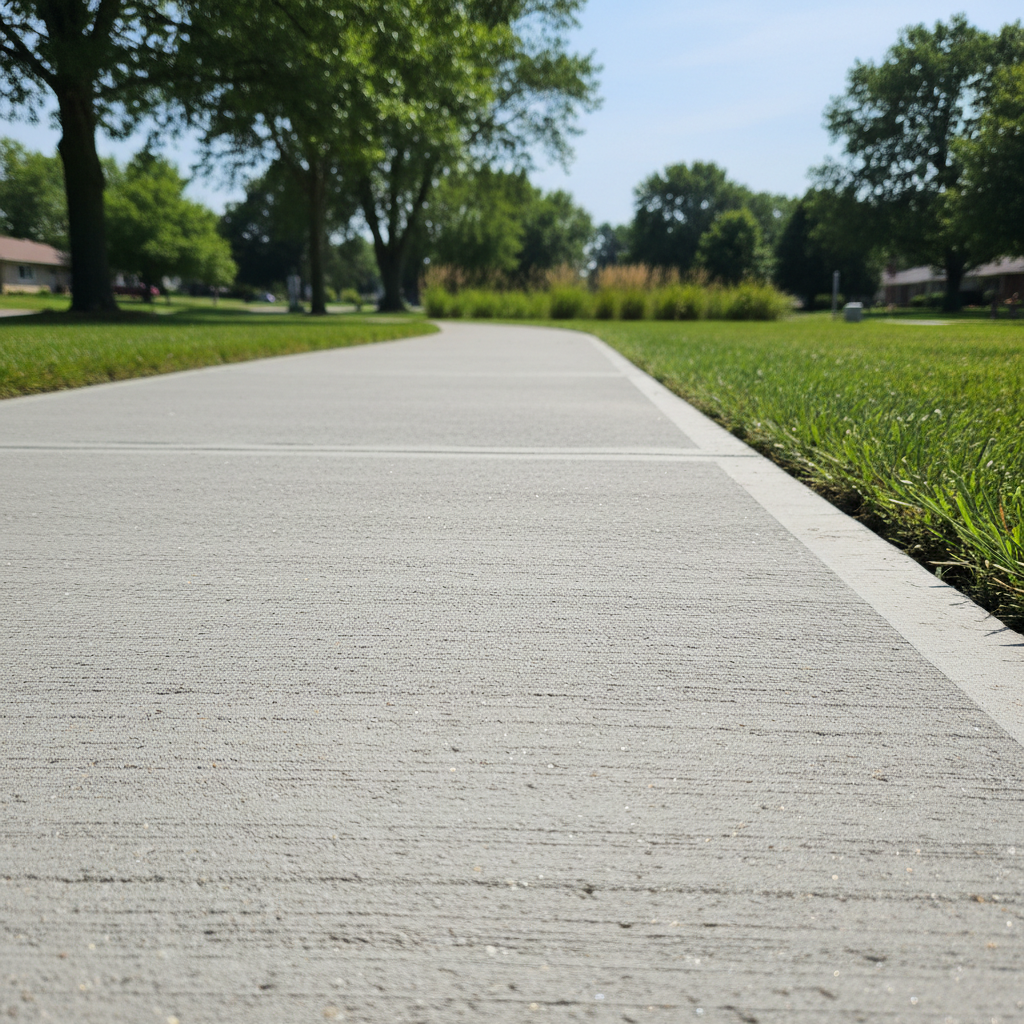
Alright, let's talk sidewalks for a minute. I get a ton of calls from folks all over Aurora asking about their concrete paths, and honestly, there's a lot of confusion out there. So, I figured I'd just put together some straight answers to the questions I hear most often. No fluff, just the real deal from someone who's been pouring and fixing concrete in this town for years.
What's the deal with those little cracks in my sidewalk? Should I worry?
You're probably looking at what we call 'hairline cracks' or 'shrinkage cracks.' These are super common, especially in new concrete. See, when concrete cures, it loses moisture and shrinks just a tiny bit. That shrinkage creates stress, and sometimes, boom, a small crack forms. Most of the time, these aren't a big deal structurally. They're usually superficial, barely scratching the surface. If they're not getting wider, lifting up, or creating a tripping hazard, you can often just keep an eye on them. We're talking about cracks thinner than a credit card here, you know? If they start getting wider, longer, or if water is sitting in them and freezing, *that's* when you might need to think about sealing them or getting a professional opinion. But for most hairline stuff, it's just concrete doing what concrete does.
My sidewalk is uneven. Can it be leveled, or do I need a whole new one?
This is a big one, and it really depends on a few things. If you've got a section of your sidewalk that's sunk or lifted — often because of soil erosion, tree roots, or maybe poor compaction when it was first put in — leveling might be an option. We call it 'mudjacking' or 'slab jacking,' or 'polyjacking' depending on what material we use. Basically, we drill small holes in the concrete and pump a material (either a cement slurry or a polyurethane foam) underneath to lift the slab back into place. It's usually quicker and cheaper than tearing everything out and replacing it. However, if the concrete itself is severely cracked, crumbling, or if the underlying problem (like a massive tree root) can't be fixed, then replacement is probably your best bet. I've seen plenty of sidewalks in older Aurora neighborhoods, especially around the near west side, where tree roots have just wreaked havoc. Sometimes, you just can't win that fight with a repair.
How long does a new concrete sidewalk typically last in Aurora?
A well-installed concrete sidewalk, done right with good materials and proper sub-base preparation, should easily last you 20 to 30 years. Sometimes even more! The key, of course, is that 'well-installed' part. If corners are cut, or if you've got really aggressive freeze-thaw cycles without proper drainage, that lifespan can definitely shorten. Here in Aurora, we get some brutal winters with those freeze-thaw cycles. So, a proper concrete mix, rebar or wire mesh reinforcement, and control joints are absolutely crucial. You want a contractor who knows what they're doing and isn't just rushing through the job. At Mighty Concrete Inc, we pride ourselves on building things that last, because nobody wants to redo a sidewalk every 10 years, right?
What's the deal with control joints? Do I really need them?
Absolutely, you need them! Control joints, sometimes called 'saw cuts' or 'expansion joints,' are those lines you see cut into the concrete. They're not just for looks, believe me. Concrete is going to crack; it's just inevitable. What control joints do is give the concrete a designated, weakened line where it's *supposed* to crack when it expands and contracts with temperature changes. Without them, you'd get random, ugly, and often more problematic cracks all over the place. We typically put them in every 4 to 6 feet on a standard sidewalk. They help manage the stress in the slab and keep those cracks straight and predictable, making them less noticeable and less of a tripping hazard. Think of them as planned imperfections that save you a lot of headaches down the road.
Can I pour a new sidewalk in winter?
Short answer: not ideally, and often not at all. Concrete needs specific temperatures to cure properly. If it gets too cold, especially below freezing, the water in the mix can freeze before the concrete has gained enough strength. This leads to a weaker, more porous, and generally compromised slab that won't last. While there are some cold-weather admixtures and techniques, they add cost and complexity, and even then, you're fighting an uphill battle. Most reputable contractors, including us at Mighty Concrete Inc, prefer to pour when temperatures are consistently above freezing — ideally 40-50 degrees Fahrenheit and rising. So, if you're thinking about a new sidewalk, plan for spring, summer, or early fall here in Illinois. Trying to rush it in December is usually a recipe for disaster.
How do I maintain my concrete sidewalk to make it last?
It's not rocket science, but a little care goes a long way. First, keep it clean. Sweep off dirt, leaves, and debris regularly. Don't let puddles sit for extended periods if you can help it; good drainage is key. Second, be smart about de-icers in winter. Avoid rock salt (sodium chloride) if possible. It's cheap, but it's really hard on concrete, especially newer concrete, causing spalling and deterioration. Calcium chloride or magnesium chloride are better options, or even plain sand for traction. Third, seal your concrete every few years. A good quality penetrating sealer will protect against moisture intrusion, freeze-thaw damage, and staining. It's like sunscreen for your sidewalk, honestly. Finally, address any issues quickly. If you see a small crack starting to widen or a section settling, don't ignore it. Catching problems early can save you from a full replacement down the line.