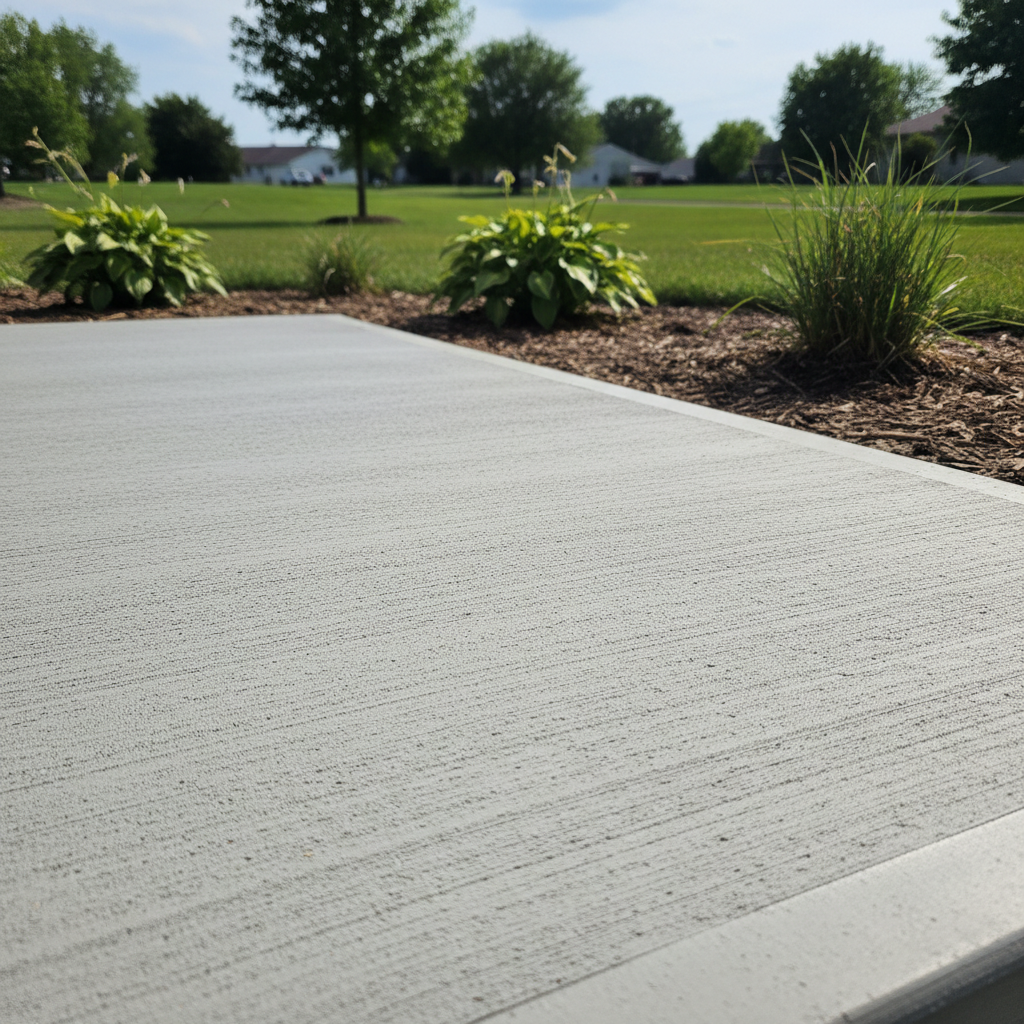
Concrete Flatwork: DIY or Call a Pro in Aurora?
Alright, let's talk concrete flatwork. You're probably looking at that cracked driveway, or maybe you're dreaming of a new patio out back for summer cookouts. It's a common thought for homeowners around Aurora: "Can I do this myself, or do I need to call someone?" As a contractor who's poured a lot of concrete in this town, I've got some straight talk for you.
Flatwork, that's your driveways, sidewalks, patios, garage floors – basically any large, flat concrete surface. It looks simple enough, right? Mix, pour, smooth. But there's a lot more to it than that, especially if you want it to last through our Illinois winters and not crack after a year.
Before You Even Think About Pouring
Planning is probably the most overlooked part of any concrete job, and it's where most DIYers get into trouble. You can't just dig a hole and dump concrete in. Here's what you need to consider:
- Permits: Don't skip this. Especially for driveways or anything that connects to public sidewalks, you'll likely need a permit from the city of Aurora. They want to make sure it's done right and doesn't cause drainage issues for your neighbors.
- Drainage: This is huge. Water has to go somewhere. You need a slight slope – usually 1/8 to 1/4 inch per foot – away from your house. If you don't get this right, you're looking at water pooling, foundation problems, or ice hazards in winter.
- Subgrade Prep: This is the foundation of your concrete, literally. You need a stable, well-compacted base. We're talking about removing organic material, compacting the soil (especially if you're on some of that clay soil we have around here), and often adding a few inches of gravel. If your base isn't solid, your concrete will crack. Period.
- Rebar or Mesh: For most flatwork, you're going to need reinforcement. Rebar (steel bars) or welded wire mesh helps hold the concrete together and prevents cracking caused by temperature changes and ground movement. It's not optional for a durable slab.
For these initial steps, especially drainage and subgrade, if you're not confident, it's a good time to get an expert opinion. A bad base means a bad slab, no matter how good the concrete is.
During the Pour: This is Where It Gets Tricky
Okay, so you've got your forms built, your base is perfect, and your rebar is in place. Now for the concrete itself. This is where most DIY projects go sideways fast.
- Ordering the Right Mix: You need the right strength (PSI) and slump (consistency) for your project. For driveways in Aurora, you're usually looking at a 4000 PSI mix with air entrainment to resist freeze-thaw cycles. Your concrete supplier can help, but you need to know what to ask for.
- Timing is Everything: Concrete doesn't wait for you. Once that truck arrives, you've got a limited window to get it poured, screeded (leveled), floated, and finished. This is not a one-person job. You'll need at least a couple of strong, experienced helpers.
- Tools: You'll need a lot of specialized tools: screeds, floats, edgers, groovers, and probably a power trowel for larger areas. Renting them is an option, but knowing how to use them effectively is another story.
- Finishing: This is what everyone sees. Getting a smooth, consistent finish takes practice. Overworking it can bring too much water to the surface, weakening the top layer. Not working it enough leaves it rough and uneven.
Honestly, for anything bigger than a small, non-critical pad (like for a shed), pouring concrete is best left to the pros. We've got the crew, the tools, and the experience to get it done right and fast. That's why folks call Mighty Concrete Inc. We do this every day.
After the Pour: Curing and Care
You're not done once the concrete is smooth. Proper curing is critical for strength and durability. Concrete doesn't just dry; it cures through a chemical reaction with water. If it dries out too fast, it won't reach its full strength and will be more prone to cracking.
- Keep it Wet: For at least 7 days, you need to keep the concrete moist. This means covering it with plastic sheeting, using curing compounds, or even misting it with water regularly.
- Protect it: Keep foot traffic off for at least 24-48 hours, and vehicle traffic off for at least 7 days, preferably longer for driveways.
- Sealing: Once it's fully cured (usually 28 days), applying a good quality concrete sealer will protect it from stains, moisture, and de-icing salts, which are common issues we deal with here in the Midwest. Reapply every few years.
You can definitely handle the curing and sealing yourself. It's less about skill and more about diligence. Just make sure you follow the product instructions for any curing compounds or sealers you use.
So, can you DIY concrete flatwork? For a really small, non-structural pad, maybe. But for anything that needs to look good and last – like a driveway, a major patio, or a garage floor – you're almost always better off bringing in a professional. The cost of fixing a bad concrete job far outweighs the cost of doing it right the first time. Think about it.