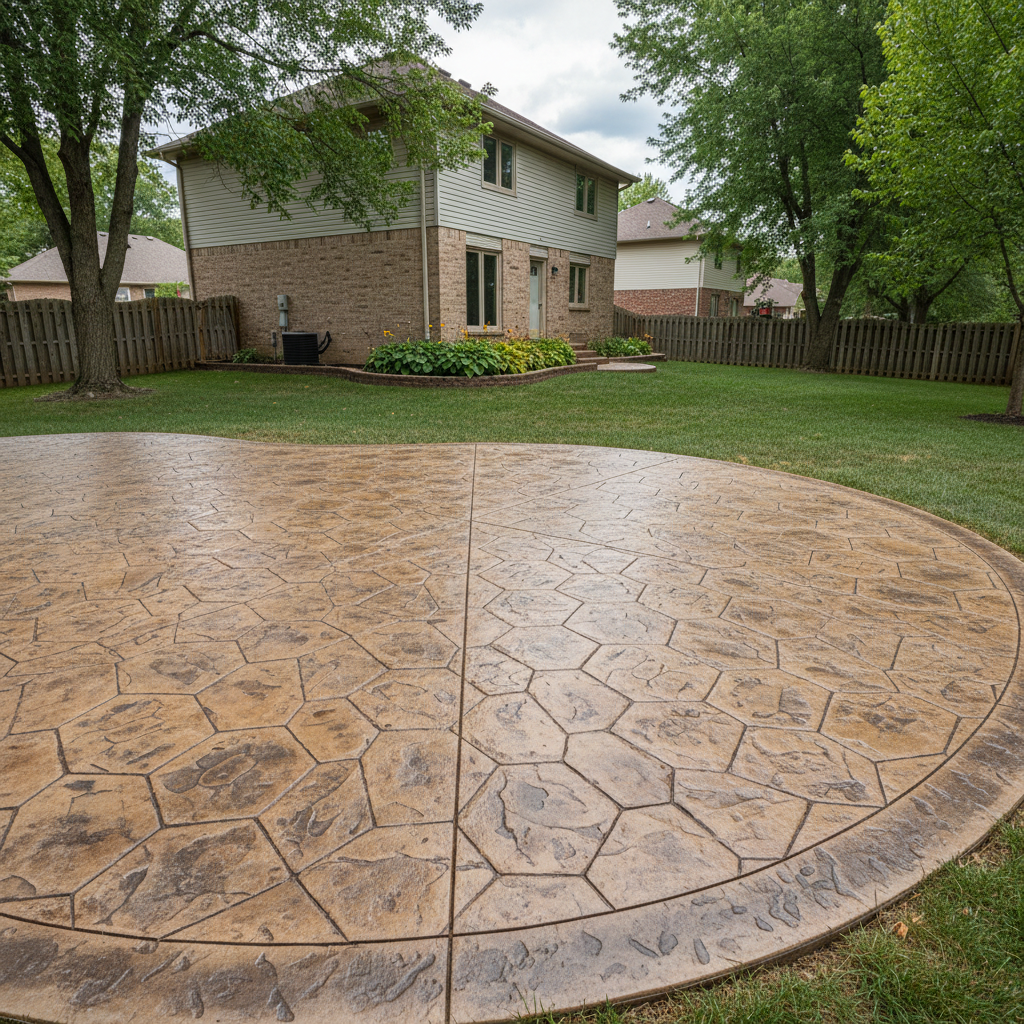
So, you put your money into stamped concrete, and it looks fantastic. Maybe it's a patio, a walkway, or even a driveway. Now, you want to keep it looking that good, right? Smart. Because even though stamped concrete is tough, it's not indestructible. Especially not here in Aurora, with our crazy freeze-thaw cycles and sometimes brutal winters. Think of this as your personal guide to making that investment last.
Extending the Life of Your Stamped Concrete
The single most important thing you can do to make your stamped concrete last longer is proper sealing. I really can't say this enough. When we install stamped concrete, we always put down a high-quality sealer. That sealer is your number one defense against everything: UV rays, oil spills, de-icing salts, and moisture getting in. Over time, though, that sealer wears down. How fast it goes depends on how much traffic it gets, how much sun it sees, and, well, how well you take care of it.
Typically, you're looking at resealing patios and walkways every 2-3 years. For high-traffic driveways, you might even need to do it annually. If you notice the color starting to look dull, or water isn't beading up like it used to, that's your sign. Don't wait until it's completely gone. A fresh coat of sealer protects the color, stops fading, and keeps moisture from seeping into the concrete's pores. That last bit is absolutely critical for us here in Illinois. Water gets in, freezes, expands, and then boom — you've got spalling, which means little chips or flakes coming off the surface. Nobody wants that, believe me.
Another big one? Drainage. Make sure water isn't pooling on your stamped concrete. If it is, especially close to your house, you've got bigger fish to fry than just concrete upkeep. But even minor pooling can speed up how fast the sealer wears down and eventually cause problems with the concrete itself. We always design our projects with good slopes, but sometimes landscaping changes or settling can mess with that over time. Keep an eye on it.
Regular Maintenance: What You Need to Do
This isn't rocket science, but it does take a little effort. Here's what I tell all my clients:
- Keep it Clean: Sweep off leaves, dirt, and debris regularly. Don't let organic stuff just sit there and rot on the surface, especially under furniture or planters. It can stain, you know? Usually, a good hose-down with plain water is enough for general cleaning.
- Mild Soap for Stains: For tougher spots, grab some mild dish soap and a brush. Nothing abrasive, please. Pressure washing is okay, but be careful. Too much pressure can strip the sealer right off or even damage the concrete surface. Keep the nozzle moving, and don't get too close. I generally recommend staying under 1500-2000 PSI, and definitely no turbo nozzles.
- Watch the Winter: This is where Illinois really puts your concrete to the test. Avoid de-icing salts that contain ammonium nitrates or sulfates. Those can seriously mess up concrete. Calcium chloride or potassium chloride are generally safer bets if you absolutely have to use something. Even better? Just shovel promptly. If you use a snowblower, make sure the chute isn't aimed at the concrete, throwing rocks or debris. And if you're using a shovel, pick a plastic one, not metal, to avoid scraping the surface.
- No Heavy Equipment: Don't drive heavy machinery or park overloaded trailers on your stamped concrete unless it was specifically designed to handle that kind of weight. Most residential patios and walkways aren't built for it.
Warning Signs of Problems
You're not just looking for cracks (though those are important too, and we've got other posts about 'em). Here are some other things to keep an eye out for:
- Fading or Dullness: This is usually the first sign your sealer is wearing off. That vibrant color you loved starts to look muted. It's a cosmetic issue at first, but it's a warning that bigger problems are coming if you don't address it.
- Water Penetration: If water soaks into the concrete and darkens it instead of beading up on top, your sealer is gone. This means moisture can get in, and in Aurora, that means freeze-thaw damage is a real possibility.
- Spalling or Flaking: Small chips or flakes coming off the surface. This often points to freeze-thaw damage, especially if it's happening in spots where water tends to sit. It can also come from using harsh chemicals or bad installation, but usually, it's a sealer failure combined with our climate.
- Stains that Won't Come Out: If you're getting stains from leaves, oil, or rust that you just can't clean off, it means the concrete is soaking them up. Again, the sealer isn't doing its job.
- Cracks: Hairline cracks are pretty common and often harmless. But if you see cracks widening, lifting, or running through the pattern, that's a structural concern.
When to Call a Professional
Look, you can handle a lot of this maintenance yourself. Resealing isn't super complicated, but it does require the right product and technique. If you're not comfortable doing it, or you're just not sure what sealer to use, give us a call at Mighty Concrete Inc. We know what works best for the materials we use and for the specific conditions here in Aurora — from the clay soil around the Fox River to the older homes in the Near West Side. We'll make sure you get the right stuff applied correctly.
You should definitely call us if you're seeing any of the more serious warning signs:
- Significant spalling or large areas of flaking.
- Cracks that are growing, shifting, or creating tripping hazards.
- Major staining issues that you just can't resolve.
- If you're unsure about the best way to clean a particular type of stain without damaging the concrete.
Don't let minor issues turn into major headaches. A little proactive care goes a long way in keeping your stamped concrete looking great and performing for decades. It's an investment, and like any good investment, it needs a bit of attention to really pay off in the long run.