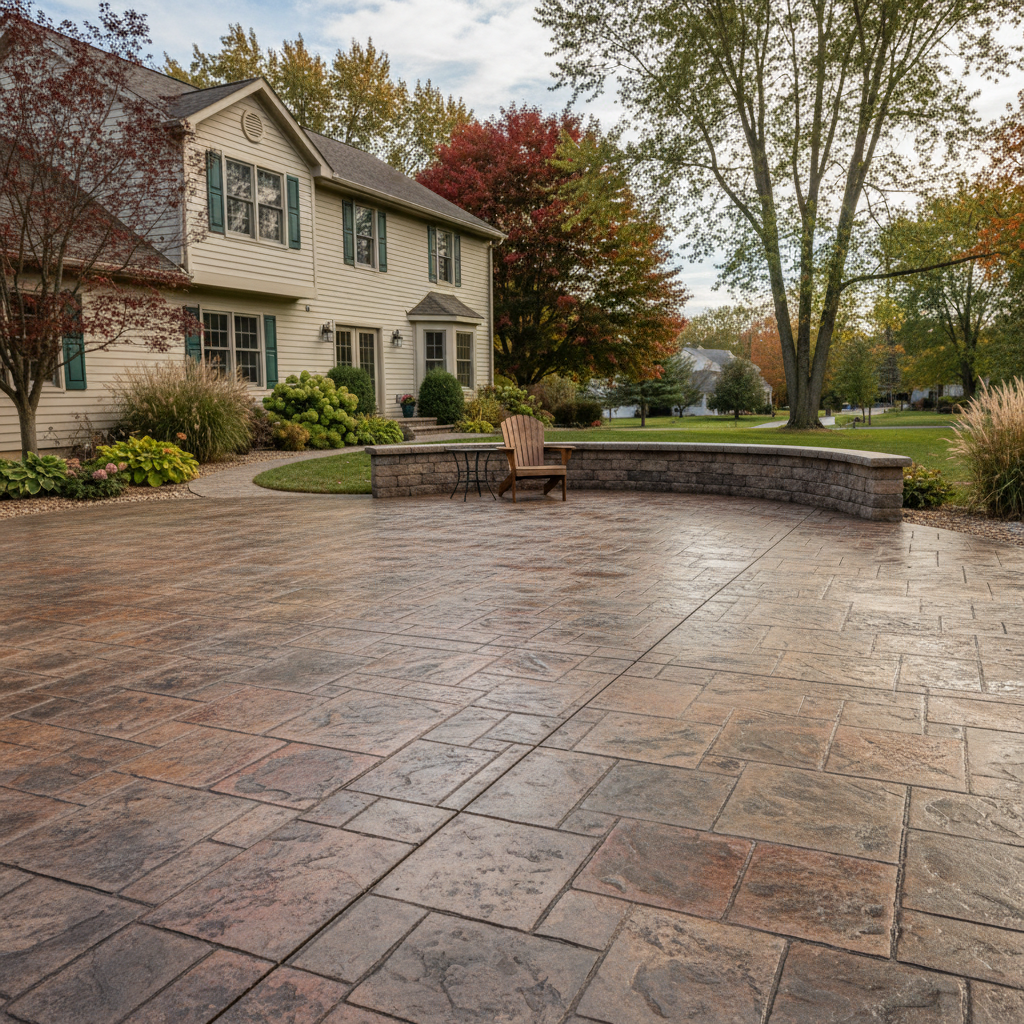
So, you put in stamped concrete, and it looks fantastic. Maybe it's a patio, a walkway, or a pool deck. Whatever it is, you want that beauty to last, right? Of course you do. And it totally can, but it's not a "set it and forget it" kind of deal, especially here in Aurora with our wild freeze-thaw cycles and those humid summers.
The Secret to Long Life: Sealing It Up
If there's one thing I can't say enough, it's this: proper sealing. Think of the sealer as an invisible shield for your concrete. It keeps out moisture, blocks UV rays, fights stains, and protects against wear and tear. For stamped concrete, you'll usually use a clear acrylic sealer, often with something to make it less slippery, especially on patios or around pools. I've seen too many jobs where people skip this step or use the wrong stuff, and a few years later, their beautiful pattern just looks dull or even starts flaking.
You should plan to reseal your stamped concrete every 2-3 years. If it's a high-traffic spot, or gets a lot of sun, you might even do it every year or two. How do you know it's time? Just pour a little water on it. If the water beads up nicely, you're probably still good. But if it soaks in and darkens the concrete, then yeah, it's definitely time to reseal. Before you reseal, you'll need to clean the surface really well. We're talking a good scrub, maybe even a gentle power wash — but be careful not to use too much pressure; you don't want to damage the surface or blast away old sealer.
Regular Maintenance: Keep it Clean, Keep it Strong
Beyond sealing, your everyday and seasonal care makes a huge difference. It's not brain surgery, just common sense stuff.
- Keep it Clean: Sweep off leaves, dirt, and other junk regularly. Organic stuff left sitting on the surface can cause stains or wear down the sealer over time. A quick hose-down with water and a soft brush for tougher spots usually does the trick.
- Watch for Stains: If you spill something like oil, grease, or even a drink, clean it up fast. The sealer helps, but it's not invincible. For really tough stains, use a mild detergent and water. Don't use harsh chemicals or abrasive cleaners, because they can strip off the sealer.
- Snow and Ice: This is a big one for us here in Illinois. Absolutely DO NOT use rock salt (sodium chloride) or de-icers that have ammonium nitrates or sulfates on your stamped concrete. These chemicals can actually attack the concrete itself and break down the sealer, leading to pitting and spalling. Use sand for traction, or a de-icer specifically marked as safe for concrete. Better yet, just shovel it.
- Heavy Objects: Try not to drag heavy furniture or sharp objects across the surface. This can scratch or gouge the sealer and even the concrete itself.
These little habits really go a long way in keeping your investment looking good and holding up.
Warning Signs: When to Pay Closer Attention
Your concrete will actually tell you when it's not happy. You just need to know what to look for.
- Fading Color: If that vibrant color you loved starts to look dull or washed out, that's a sign the sealer is wearing thin and UV rays are getting to the color pigments. This usually means it's time to reseal.
- Flaking or Peeling Sealer: This means the sealer wasn't put on right, or it's just reached the end of its life. You'll need to strip the old sealer before putting on a new coat.
- Pitting or Spalling: These are small holes or flaking on the surface. This often happens because of an improper concrete mix, poor finishing, or, more commonly in our climate, damage from freeze-thaw cycles made worse by de-icing salts. This is a more serious issue, by the way.
- Cracks: Hairline cracks are pretty common in concrete, even stamped. But if you see wider cracks (say, wider than a credit card), or if they start to spread quickly, that's a red flag.
When to Call a Pro (Like Mighty Concrete Inc.)
Look, you can handle a lot of the routine stuff yourself. Cleaning, even some basic resealing, is totally manageable. But there are times when you really should call in the pros. And that's where Mighty Concrete Inc. comes in.
- Major Cracks or Settlement: If your stamped concrete is cracking a lot, or if sections are sinking or lifting, you've got a structural issue. This isn't a DIY fix. We can check out what's causing it and suggest the right repair, whether it's crack repair, slab jacking, or something more involved.
- Extensive Sealer Failure: If your sealer is peeling or flaking everywhere, you might need professional stripping and reapplication. Trying to do this yourself without the right equipment or chemicals can actually make things worse.
- Pitting or Spalling: Once you have significant surface damage like pitting, it's beyond just a simple reseal. We can sometimes grind down and resurface smaller areas, but extensive damage might need a bigger repair or even replacement.
- Dullness or Discoloration You Can't Fix: If your stamped concrete has lost its shine and a good cleaning and reseal isn't bringing it back, there might be issues with the original color application or deeper staining that needs specialized treatment.
- You're Just Not Sure: Honestly, if you're looking at your stamped concrete and something just doesn't look right, or you're unsure about the best way to tackle a problem, give us a call. We've seen it all, from the old homes in the Near West Side to the newer developments on the far east side, and we can give you an honest assessment. It's always better to catch problems early than let them get worse.
Your stamped concrete is an investment in your home's curb appeal and value. A little proactive care and knowing when to get expert help will make sure it stays beautiful for decades.