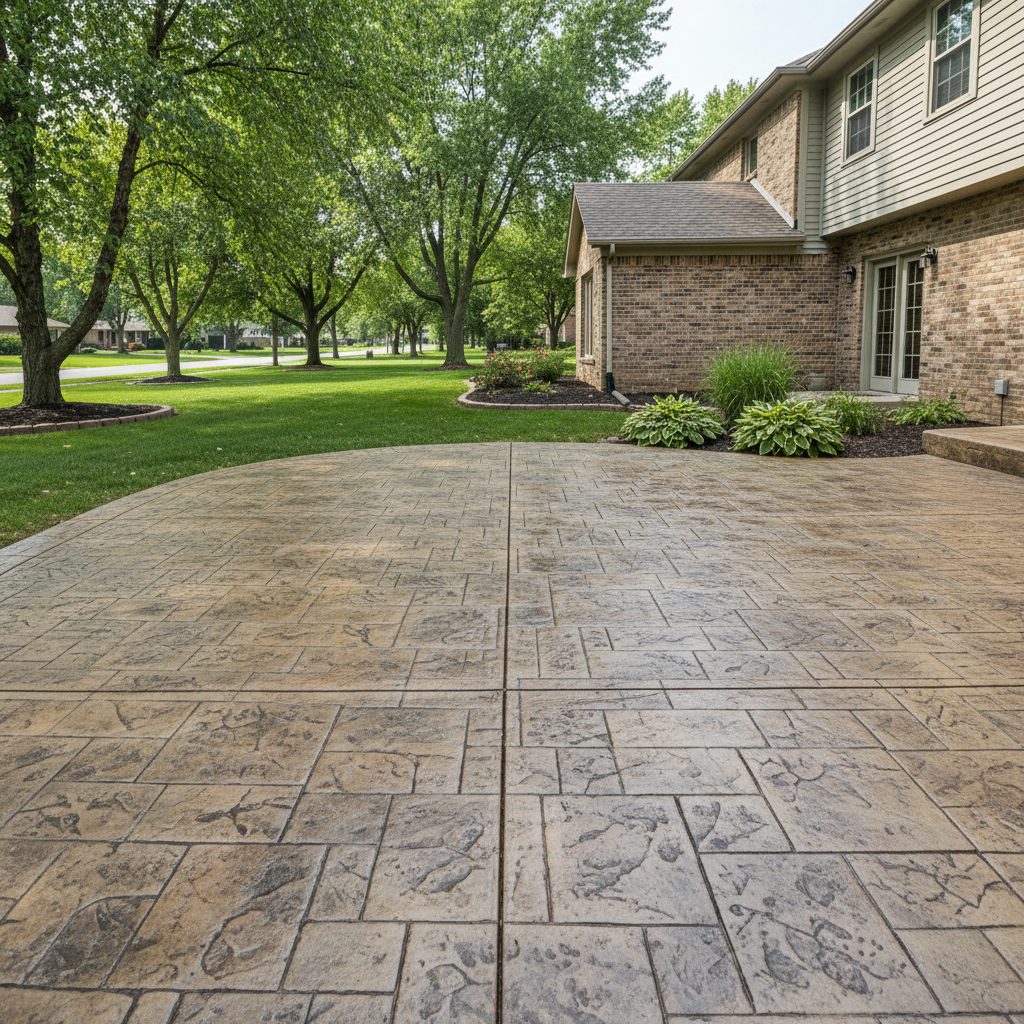
Your Stamped Concrete: It's an Investment, Protect It
So, you've got stamped concrete. Maybe it's a patio, a walkway, or even a driveway. It looks fantastic, right? It adds curb appeal and value, no doubt. But here's the deal: it's not a "set it and forget it" kind of thing. To keep that beautiful pattern and color vibrant, especially with the wild weather we get here in Aurora, you've got to put in a little work. Think of it like taking care of a nice car – regular maintenance keeps it running and looking good.
I've seen a lot of stamped concrete over the years. Some has held up beautifully for decades, and some has faded or chipped way too soon. The difference almost always comes down to how well it was maintained. It's not rocket science, but there are a few key things you need to know.
Regular Maintenance: Your Annual Checklist
Most of the care for your stamped concrete is pretty straightforward. You're mainly protecting that sealer coat, which is the unsung hero keeping everything looking sharp and protected from the elements.
Clean it Annually (or Bi-Annually): You'll want to give it a good cleaning at least once a year. Maybe twice if it sees a lot of foot traffic or gets particularly dirty. A simple garden hose with a spray nozzle and a mild detergent (like dish soap) and a stiff brush usually does the trick. For tougher spots, a pressure washer on a low setting (no more than 1500 PSI) can work, but be careful. Keep the nozzle moving and don't get too close, or you could damage the sealer or even the concrete itself.
Re-seal Every 2-3 Years: This is probably the most critical step for extending the life of your stamped concrete. That sealer takes a beating from UV rays, foot traffic, and especially our freeze-thaw cycles here in Illinois. When water gets into tiny pores and then freezes, it expands and can pop off small pieces of concrete – that's called spalling. A good sealer prevents that. You'll know it's time to re-seal when water no longer beads up on the surface, or if the color starts to look dull. Make sure the surface is clean and dry before applying. If you're unsure about the type of sealer, check your original contractor's recommendations or just give us a call at Mighty Concrete Inc.
Sweep and Remove Debris: Don't let leaves, dirt, or other organic matter sit on your stamped concrete for long periods. They can trap moisture and cause staining, especially if you've got trees dropping berries or nuts. A quick sweep now and then prevents a lot of headaches, believe me.
Warning Signs of Trouble
You're not just looking for cracks (though those are important too). Keep an eye out for these indicators that your stamped concrete might need some extra attention:
Fading Color: If your beautiful browns, grays, or reds are starting to look washed out, that's a clear sign your sealer is failing. The concrete underneath is then exposed to UV degradation. This is a big one for our Aurora summers.
Water Penetration: After a rain, if the water soaks into the concrete instead of beading up, that sealer is definitely gone. This makes the concrete vulnerable to staining and freeze-thaw damage.
Flaking or Spalling: Small chips or flakes coming off the surface, especially after winter, means moisture is getting in and freezing. This is a serious issue that needs addressing to prevent further damage.
Excessive Cracking: While some hairline cracks are normal in concrete, widespread or widening cracks can indicate underlying issues. If you see cracks that are wider than a credit card, or if they're raising up, that's a problem.
White Haze (Efflorescence): Sometimes you'll see a white, powdery substance on the surface. This is efflorescence, mineral salts pushed to the surface by evaporating water. It's usually harmless but can be unsightly. It often indicates moisture is moving through the concrete.
When to Call a Professional
Look, I'm all for DIY, but some things are best left to the pros. If you see any of the serious warning signs I just mentioned, or if you're just not comfortable tackling the re-sealing yourself, don't hesitate to call. Specifically:
Major Cracks or Heaving: If your stamped concrete is cracking significantly, lifting, or sinking, you likely have a sub-base issue or a serious structural problem. This isn't a cosmetic fix.
Extensive Spalling: If large areas are flaking off, the concrete itself is compromised. We might be able to repair it, but an expert eye is needed to assess the extent of the damage and recommend the right fix.
Stains You Can't Remove: Some stains, like oil, rust, or deep organic stains, require specialized cleaning agents and techniques. These can be tricky to use without damaging the concrete or sealer.
If You're Unsure: Honestly, if you're looking at your stamped concrete and thinking,