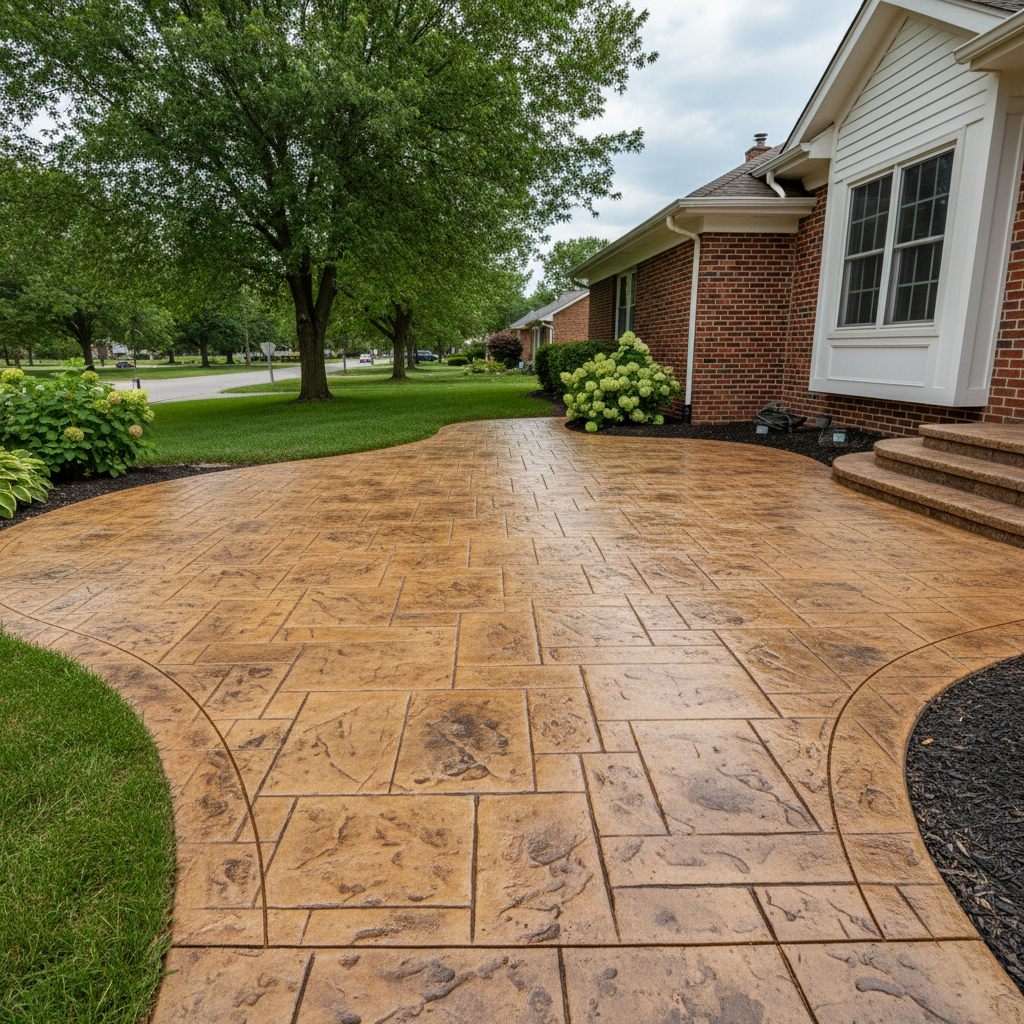
So, you've got a gorgeous stamped concrete patio, walkway, or driveway. Maybe Mighty Concrete Inc did the work, or maybe someone else did. Either way, you shelled out good money for that beautiful finish, and you want it to last. And it absolutely can, even with our crazy Aurora weather.
Why Maintenance Matters for Stamped Concrete
Think of your stamped concrete like a nice car. You wouldn't buy a new truck and never change the oil, right? Same deal here. Stamped concrete is durable, but it's not invincible, especially with our freeze-thaw cycles here in Illinois. That constant expansion and contraction from winter's deep freezes and summer's scorching heat puts a lot of stress on any concrete surface. Proper maintenance isn't just about making it look good; it's about protecting your investment from cracking, pitting, and fading.
Regular Maintenance: What You Need To Do
Keeping your stamped concrete in top shape isn't rocket science, but it does require a little attention. Here's the rundown:
Keep it Clean: This is probably the easiest and most overlooked step. Sweep off leaves, dirt, and debris regularly. For tougher grime, a garden hose with a spray nozzle usually does the trick. You can use a mild detergent and a soft brush for stubborn spots, but avoid harsh chemicals or pressure washers that are too powerful. A pressure washer set too high can actually damage the sealer and even the concrete surface itself.
Resealing is Key: This is your stamped concrete's best friend, especially in our climate. The sealer protects the surface from moisture, UV rays, and abrasion. Most stamped concrete needs to be resealed every 2-3 years, sometimes sooner if it gets heavy traffic or direct sun all day. You'll know it's time when water no longer beads up on the surface, or if the color starts to look dull. Don't skip this step; it's the biggest factor in extending the life of your concrete.
Watch Out for De-icers: This is a big one for us in Aurora. NEVER use rock salt (sodium chloride) or any de-icing product containing ammonium nitrates or ammonium sulfates on your stamped concrete. These chemicals are brutal on concrete and will cause spalling and pitting, especially if the concrete is less than a year old. Use sand for traction, or look for de-icing products specifically labeled as concrete-safe, usually containing calcium chloride or magnesium chloride in moderation. Even then, use them sparingly.
Handle Spills Promptly: Oil, grease, rust, or even spilled drinks can stain if left too long. Clean them up as soon as you can. A little dish soap and water often works, but for tougher stains, you might need a specialized concrete cleaner. Just make sure it's compatible with your sealer.
Warning Signs of Trouble
Your concrete will usually tell you when something's wrong. Here's what to look out for:
Fading Color: If your vibrant pattern is starting to look dull or washed out, it's a clear sign your sealer is failing and the concrete is exposed to the elements. This is often an early warning that it's time to reseal.
Pitting or Spalling: These are small holes or flaking on the surface. This is usually caused by water getting into the concrete and freezing, expanding, and popping off small pieces. Often, this is a result of a compromised or absent sealer, or using harsh de-icers.
Cracks: Hairline cracks are pretty common in concrete; it's just the nature of the material. But if you see cracks getting wider, longer, or if they're accompanied by uneven surfaces, that's a bigger concern. This could indicate sub-base issues or more significant stress.
White Haze (Efflorescence): Sometimes you'll see a white, powdery residue on the surface. This is efflorescence, mineral salts pushed to the surface by moisture. It's usually harmless and can be cleaned, but if it's persistent, it might indicate ongoing moisture issues.
When to Call a Professional
Look, I'm all for DIY, but some jobs are best left to the pros. You should definitely call someone like us at Mighty Concrete Inc if:
You're seeing significant cracking or crumbling: This could mean structural issues, and you don't want to mess around with that. We can assess if it's a simple repair or something more involved.
The color is severely faded or uneven: Sometimes, a simple reseal isn't enough, and the concrete might need to be re-stained or re-colored before sealing.
You have persistent pitting or spalling: While small areas can sometimes be patched, widespread damage indicates a deeper problem that needs professional assessment and repair.
You're unsure about resealing: Applying sealer correctly requires specific conditions and techniques. If you're not confident, it's better to have a pro do it than risk a botched job that leaves streaks or an uneven finish.
You're dealing with stubborn stains you can't remove: Some stains require specialized cleaning agents and methods to avoid damaging the concrete or sealer.
Taking care of your stamped concrete isn't a huge chore, but it's crucial for its longevity and looks. A little effort goes a long way in keeping your Aurora home's outdoor spaces beautiful for years to come.