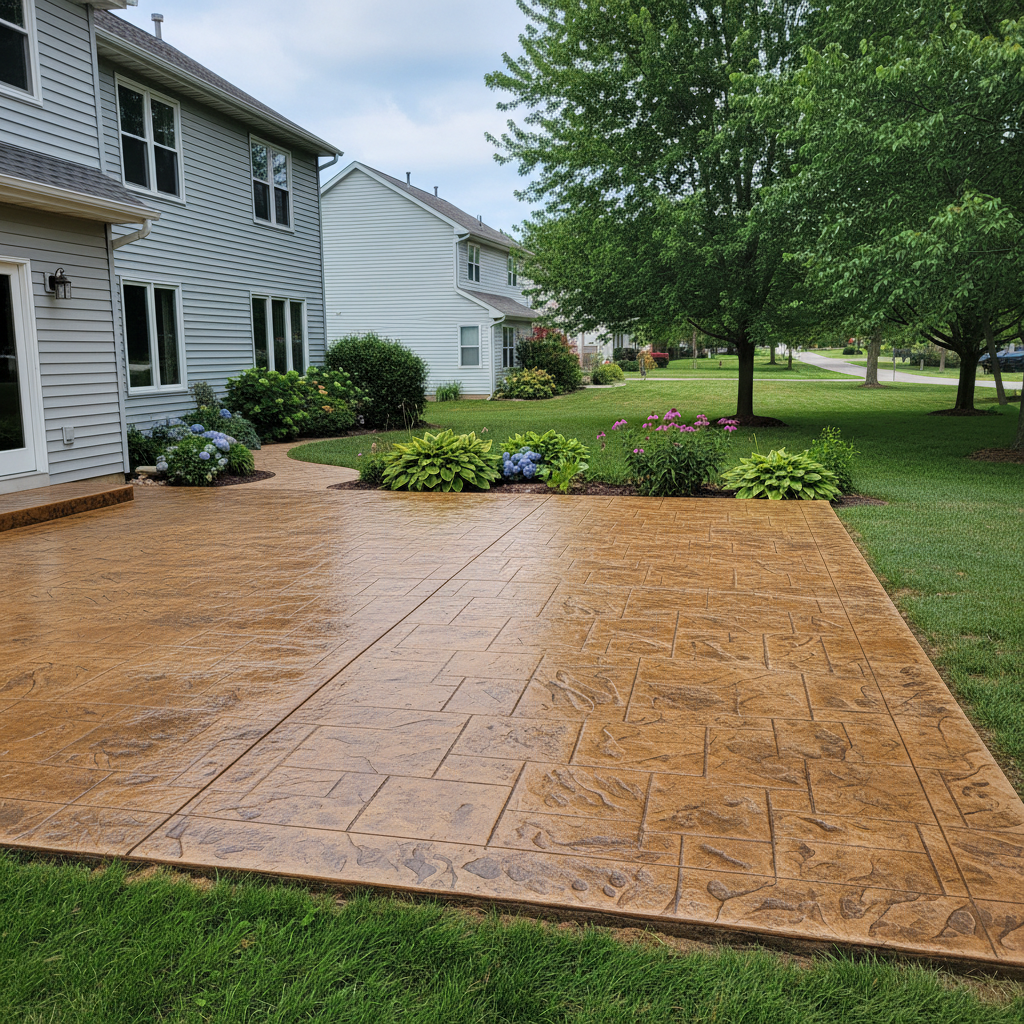
So, you've got stamped concrete. Maybe it's a gorgeous patio out back, a winding walkway, or a driveway that really ups your curb appeal. That's a smart choice; it adds a lot of character. But here's the thing: it's not a 'set it and forget it' kind of deal, especially not here in Aurora with our crazy freeze-thaw cycles. You've got to give it a little love to make sure it keeps looking good for years.
Regular Maintenance: Your Annual To-Do List
Think of stamped concrete maintenance like changing the oil in your car. It's not optional if you want it to last. The main thing you're going to be doing is cleaning and resealing. I tell all my clients from Mighty Concrete Inc. that this is the absolute backbone of extending your concrete's life.
- Clean it up: Once or twice a year, usually in the spring after the snow melts and maybe again in the fall, give it a good wash. A pressure washer on a low setting (no more than 1500 PSI) works wonders for getting rid of dirt, grime, and any algae that might be trying to set up shop. You can use a mild detergent, even dish soap, but make sure it's not acidic and rinse it thoroughly. Don't go blasting too close or you'll chip away at the sealer, or worse, the concrete itself.
- Reseal, reseal, reseal: This is the big one. Your stamped concrete needs to be resealed every 2-3 years, sometimes annually if it gets a lot of sun exposure or heavy traffic. The sealer is what protects it from moisture, UV rays, and those harsh de-icing chemicals we use around here. If water isn't beading up on the surface anymore, it's definitely time to reseal. Make sure the concrete is completely dry and clean before you apply the new sealer. You want to use a high-quality acrylic sealer designed for stamped concrete. Roll it on evenly; don't let it puddle.
- Sweep regularly: Sounds simple, right? But sweeping off leaves, dirt, and debris prevents them from breaking down and staining the surface, especially if your concrete is under a lot of trees like you see in older neighborhoods around Phillips Park.
What to Watch Out For: Warning Signs
Your concrete will tell you when it's unhappy, if you know what to look for. Catching these issues early can save you a lot of headache and money down the road.
- Fading color: If your beautiful browns or grays are starting to look dull and washed out, that's a clear sign your sealer is failing and the UV rays are getting to the color. Time to reseal!
- Flaking or peeling sealer: This means the old sealer is breaking down. It might have been applied too thick, or it's just past its prime. You'll need to strip the old sealer before applying a new coat, which is a bit more involved than just resealing.
- Cracks: Hairline cracks are pretty common in concrete; it's a natural material that moves a bit. But if you see cracks getting wider, longer, or if you've got pieces spalling (flaking off the surface), that's a bigger problem. Small cracks can sometimes be filled with a concrete caulk or patching compound before they get worse.
- Pitting: Little divots or holes in the surface. This often happens when water freezes in small pores in the concrete, expanding and popping out tiny pieces. Good sealing helps prevent this.
- White spots or haziness: This is usually efflorescence, which is mineral salts coming to the surface as water evaporates. It's often harmless but can be unsightly. A mild acid wash (diluted muriatic acid, but be super careful and follow instructions) can usually clean it off, followed by a good rinse and re-sealing.
When to Call a Pro
Look, I'm a big believer in DIY when you can do it right. But there are times when you really should pick up the phone and call someone like us at Mighty Concrete Inc. Don't be a hero and make it worse.
- Major cracking or sinking: If your concrete slab is clearly sinking, lifting, or has large, structural cracks, that's beyond a DIY fix. It could indicate issues with the sub-base, and you'll need professional assessment and repair.
- Extensive spalling or pitting: If large areas of your concrete are flaking apart, the integrity of the slab might be compromised. We can often patch and resurface, but it takes specialized knowledge and materials.
- Stripping old sealer: If your old sealer is really caked on, peeling badly, or you've got multiple layers, stripping it properly without damaging the concrete is a job for someone with the right equipment and experience. You don't want to mess up the texture of your stamped pattern.
- You're just not comfortable: If you're unsure about any step, from choosing the right sealer to operating a pressure washer effectively, it's always better to call a professional. We do this every day, and we've seen what happens when things go wrong.
Taking care of your stamped concrete isn't rocket science, but it does require attention. A little effort each year will keep your investment looking sharp and performing well against our Illinois elements for a long, long time.